
Orthodox Fasting and Strength Training
A Practical Guide

Intro
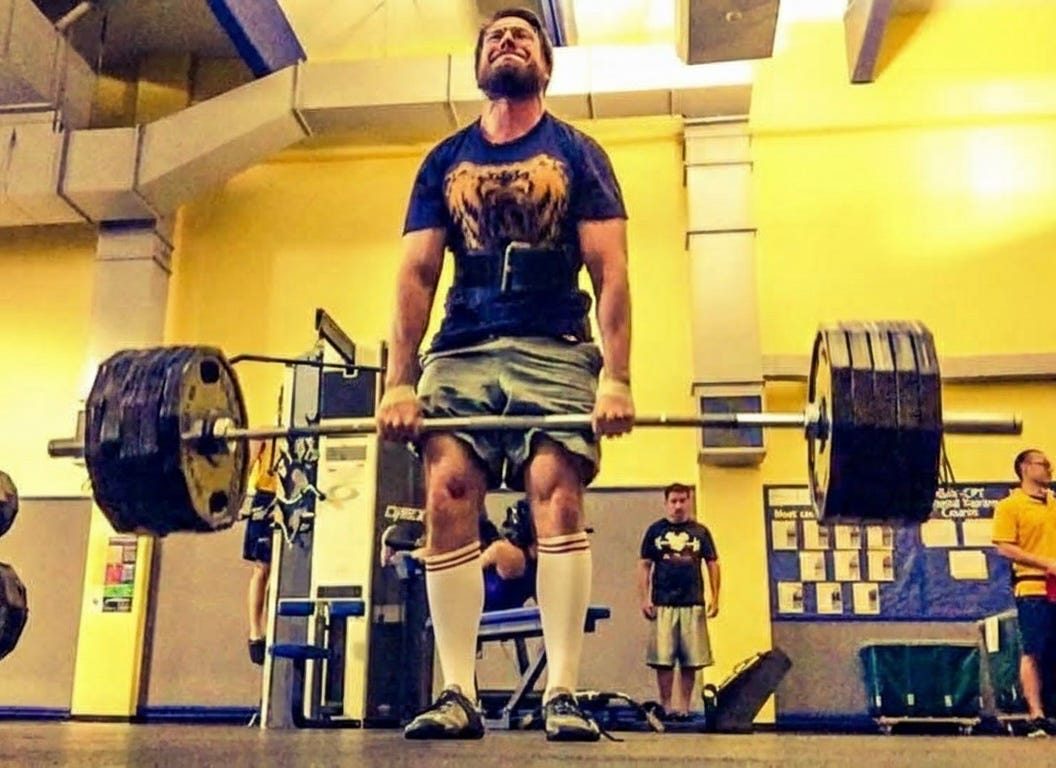
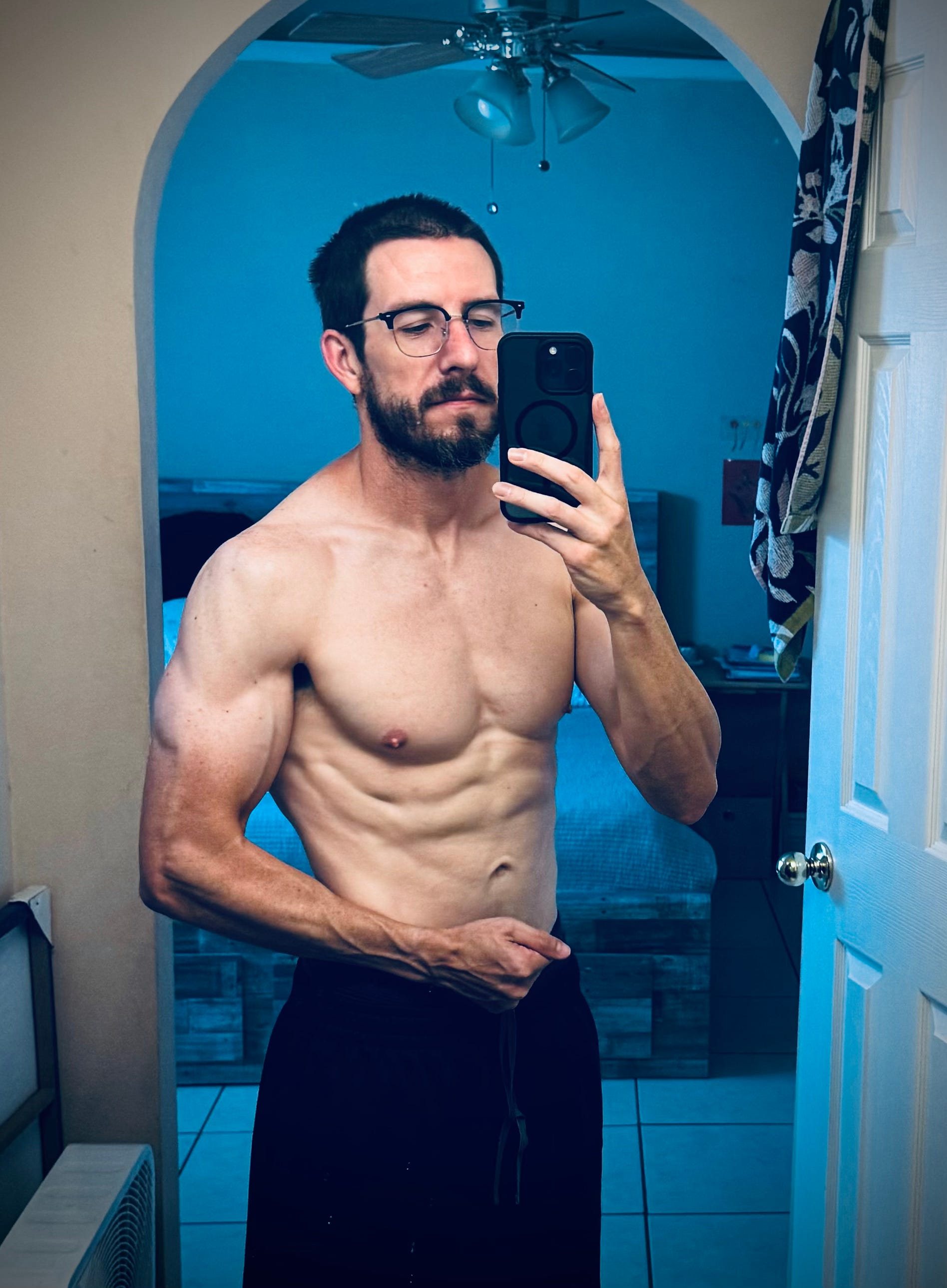
I’ve been Orthodox for about a dozen years now, and vegan (or mostly vegan with occasional lapses into vegetarianism) for about six. In that time, I’ve competed in and done very well in or won my weight class in several powerlifting meets (best competition lifts at 198 pounds are 314 lb bench press, 500 lb squat, and 600 lb deadlift). Two years ago I competed in a bodybuilding competition. So (though I’m currently a bit out of shape--I’m working on it!) I’ve got some experience building strength on a vegan diet as well as cutting fat while maintaining muscle. Because of this, I’ve been asked several times over the years by friends for advice on building or maintaining muscle during the fasting periods. Since Lent is now upon us, I thought it might be a good time to make a public guide that others might find helpful. (And obviously, since Orthodox fasting involves, practically speaking, a plant-based diet, the same information applies to those considering going vegan more generally.)
What Actually Matters For Muscle
When people interested in fitness worry about navigating the Orthodox fasts, the worries often focus on disconnected minutiae and outdated talking points. In practice, muscle retention and growth are governed primarily by just three factors: adequate protein intake, consistent resistance training, and an appropriate calorie intake for your goal. If those three are in place, fasting or a vegan diet is simply not a problem. If one of them is missing, progress becomes difficult no matter what kinds of foods you eat.
Protein provides the raw materials for muscle repair and growth. When you lift weights, you create a stimulus for the body to rebuild muscle tissue, but without sufficient protein the rebuilding process is limited. For most lifters, this does not require extreme or bodybuilder-level intakes. A solid, consistent daily intake—especially spread across a few meals with meaningful protein in each—does most of the heavy lifting. Plant-based diets can absolutely meet these needs, but they require a bit more intentionality because the protein density of many fasting foods is lower. (More on this below.)
Resistance training provides the signal. Muscle is metabolically expensive tissue, and the body fully maintains it only when given a strong enough reason. Regular, reasonably challenging strength training tells your body that the muscle is still needed (or that it should probably grow more). Without this signal, even a high-protein diet will not preserve strength and lean mass very effectively.
Finally, calories determine the overall environment in which all this occurs. In a calorie surplus, the body is more disposed toward building tissue; in a deficit, the goal is usually to preserve as much muscle as possible while losing fat. Many Orthodox fasters are, intentionally or not, in a mild deficit during longer fasts, which makes adequate protein and consistent training even more important. Sleep, recovery, and general stress management certainly matter too, but in my experience (and my understanding of the scientific literature) these three—protein, resistance training, and calories—account for the overwhelming majority of success or frustration when trying to stay strong through the fasts (and in meeting one’s fitness goals in general).
How Much Protein? (And Is Plant Protein Good Enough?)
For most people who ask me about fasting and lifting, total calories and regular strength training are not the main obstacles. Protein is usually the sticking point. I said above that getting enough protein is one of the three main pillars of muscle/strength. But how much is *enough*?
There’s good news and bad news here. The bad news is that the ideal is more than most people will get without a little bit of planning or change of habits. (Importantly, though, I mean “ideal” for maximum muscle growth/retention, not general health. For general health, as long as you are getting enough total calories, you are almost certainly getting enough protein.) The good news is that it isn’t nearly as much as bodybuilders commonly recommend, and it isn’t all that difficult to get enough on a vegan/fasting diet.
While bodybuilders often recommend getting 1 gram or even 2 grams of protein per pound of bodyweight, the best recent research suggests that additional benefits level off around ~0.82 g/lb. A reasonable case can even be made that most benefits plateau somewhere above ~0.64 g/lb.[^1]
Given normal margins of error—and the fact that there is no single magic number—the simplest practical target for most people is this: men can generally aim for about 120–130g per day, and women for about 100–110g per day. In practice, this usually means building three meals that each contain roughly 30–40g of protein.
That’s how _much_ protein is needed—but doesn’t the _type_ of protein matter too? Not nearly as much as many people think. It is true that leucine appears to play a key role in stimulating muscle protein synthesis, and plant proteins tend to be somewhat lower in leucine than many animal proteins. In practice, however, this simply means that total protein intake matters.
It is a persistent myth that plant proteins “lack” essential amino acids or must be carefully combined within the same meal to be complete. In reality, virtually all whole plant protein sources contain all essential amino acids, though in varying proportions. What the evidence consistently shows is that total daily protein intake—especially when reasonably distributed across meals—is the primary driver. Several recent studies have found that protein-matched vegan and omnivorous diets produce no meaningful differences in muscle growth over time.
Some Example Meals
I said that for most people, it’s good enough just to focus on getting in three meals per day with 30-40g of protein. For getting through fasting days, then, it’s mainly a matter of planning out a few such meals you like and can repeat or mix and match. As an example that may be helpful, here are a couple examples for each meal that I enjoy and which are standards for me, by no means meant to be exhaustive.
Breakfast
- Overnight protein oats. (Basic recipe: scoop of oats, 1-2 scoops of protein powder, optional tablespoon of flax or chia seeds, some nuts and or fruit. Throw it all in a bowl or cup the night before and put it in the fridge, eat it in the morning).
- Even more simply, I often like just a handful of nuts, a piece of fruit, and a shake with 1-2 scoops of protein powder.
- Tofu Scramble (see below - also good at any time of day)
Lunch/Dinner
- High protein pasta (chickpea, lentil or edamame). (My favorite is edamame/soy bean pasta, tossed with some tahini and sriracha or chili crisp.)
- Baked tofu (or other meat alternative) with rice and vegetables. (Classic bodybuilder meal.)
- Chili or other bean stew (red lentils with curry are probably my favorite). But note that beans are generally not the best protein source on their own. If just having beans for multiple meals, I’d just throw in another protein shake sometime.
- General meals with mock-meats replacing the usual protein source. My favorites with higher protein ratios are morningstar sausage patties and field roast sausages. I also enjoy the tofurkey deli slices, which can be used in sandwiches or chopped up and added to salads.
Bonus: Tofu is Actually Good
It’s something of a cliche to think that tofu is flavorless or hard to prepare, but that’s just because, for whatever reason, people tend not to prepare it properly. Here are three recipes that I *dare* you to make a few times and then tell me you don’t like tofu:
- Tofu scramble (though of course add lots of veggies!): https://www.noracooks.com/tofu-scramble/
- Baked tofu bites: https://itdoesnttastelikechicken.com/baked-tofu-bites/
- Shredded barbecue tofu: https://itdoesnttastelikechicken.com/vegan-bbq-shredded-tofu-shredded-chicken/
Appendix: Supplements Worth Considering
For most people eating a reasonably varied vegan or Orthodox fasting diet, supplementation needs are actually quite modest. Two nutrients are worth special attention.
Vitamin B12.
This is the one supplement that is essentially non-negotiable on a long-term vegan diet. Reliable B12 is not available from plant foods in meaningful amounts, and deficiency can develop slowly but seriously over time. Most adults can cover their needs with either 250–500 mcg daily or 1000–2000 mcg once per week.
Omega-3 (DHA/EPA from algae).
Plant foods such as flax, chia, and walnuts provide ALA, a precursor to DHA and EPA, but conversion in the body is limited and variable. For that reason, many people find it prudent—though not strictly mandatory—to take a small daily algae-based DHA/EPA supplement (typically ~250–500 mg combined).
Depending on individual diet and circumstances, some people may also need to pay attention to vitamin D, iodine, iron, or calcium. But for most healthy adults eating a reasonably varied fasting diet, B12 (essential) and omega-3 (optional but helpful) cover the main bases.
[^1] My standard recommendation for a presentation of the relevant studies on protein requirements is: https://mennohenselmans.com/the-myth-of-1glb-optimal-protein-intake-for-bodybuilders/
Perfect timing for this article to hit my feed, as I've recently gotten back into weight lifting, and I've been concerned about entering Great Lent. Thanks for the advice and reassurance!
Very happy to see this article. I'm not a body-builder, but I've been vegetarian for 19 years, and basically vegan for the vast majority of that. I just wanted to add a few more details that I think are helpful for anyone considering a vegan—or even just reduced-meat—diet, whether only for Lent, or more permanently:
As Jeremiah points out above, getting protein as a vegan is actually super easy. But if you are worried at all about getting the right balance of amino acids, a great rule of thumb is to eat grains with legumes. Grain foods tend to be rich in certain necessary amino acids while containing less of others, and legumes tend to be richer in precisely those which the grains tend to be lacking. And if you look at cuisines around the world, you see this grain/legume combo everywhere: beans and rice in Mexico and Central America, baked beans on toast in the UK, tofu and rice in East Asia (or tempeh and rice in part of Southeast Asia), and even American staples like succotash and the peanut butter jam sandwich. It's easy!
Many people worry about getting enough iron, but in fact, iron is readily available in a wide range of plant foods. I have never supplemented my iron in the last 2 decades and have always had iron levels in the healthy range when I've had my blood tested. However, it's worth noting that if you menstruate, you may need to pay more attention to this, for reasons that I think are obvious.
That said, there are some vitamins and minerals that can be harder to get as a vegan. I want to highlight two:
First, calcium. Calcium is absolutely available in plant foods, but we need a lot of it (compared to other minerals) and it sometimes is only present in relatively small concentrations. Your best bet is dark leafy vegetables (especially cruciferous greens like kale and collards) but it's also present in a lot of legumes in decent amounts. Many people effectively rely on fortified foods, such as soy milk with calcium carbonate added. It's also worth noting that tofu tends to be pretty rich in calcium because most tofu is made using calcium carbonate to aid in the "curding" process (tofu is made in a way very similar to how mozzarella is made from milk).
Second, and most importantly: cobalamin, or vitamin B12. Although there are plenty of vegan influencers who will tell you that B12 is naturally available in various unusual foods (such as spirulina or certain seaweeds), there is *no* solid scientific evidence that B12 is present in dietarily relevant amounts in any plant or fungus foods. This is a problem, because you *need* B12 to survive! But there is good news. First off, our bodies are very effective at recycling B12, recovering about 99% of the cobalamin that we use. This means we need only very small amounts—about 4-7 micrograms (that's micro, not milli! This is 1 millionth of a gram) per day. However, we also have a hard time absorbing it, so the best recommendation is to take at least 500 mcg per day. This is still a tiny amount (0.5 milligrams), and you can get B12 vitamin pills for pennies a day. If you are vegan, please make sure you supplement with B12!
If you're looking for good scientific information on plant-based diets, I definitely recommend NutritionFacts.org. Here are some videos and articles specifically on B12: https://nutritionfacts.org/?s=b12